

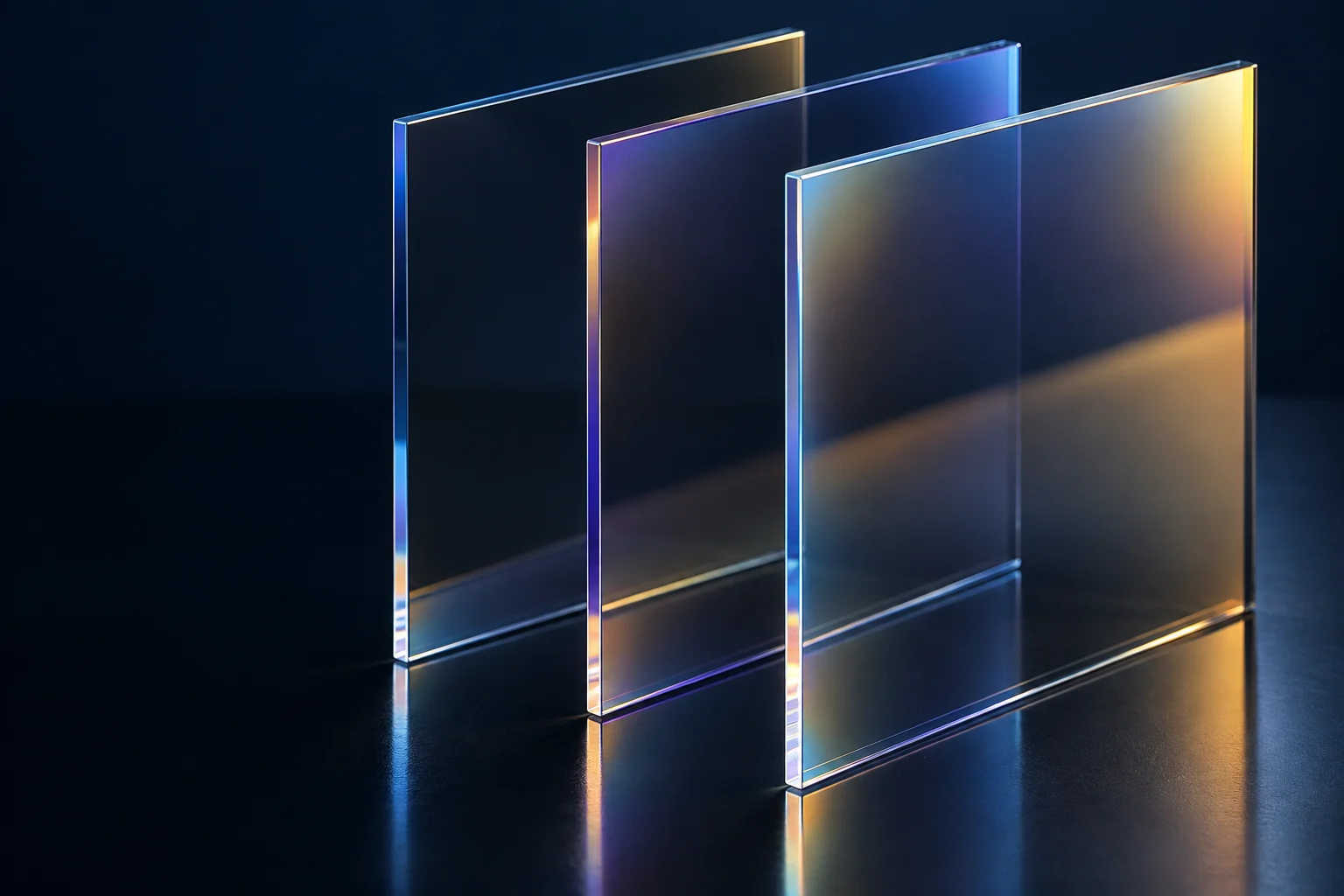
 Optical layers · Concept visual
DUAL USE / PHOTONIC COATINGS
A thin layer.
A different response.
Engineering how surfaces interact with light and heat
SURFACE ENGINEERING
The surface makes the difference
A coating changes how a material interacts with radiation. SDS Optic combines photonics and optoelectronics to explore this potential across civilian and defence applications.
Manage heat
Thermoreflective coatings are designed to limit heat gain in summer and heat loss in winter.
Adapt the substrate
Glass, aluminium and specialist fabrics open up different directions for coating development.
Explore dual use
Related coating technologies can address thermal protection needs in both civilian and defence settings.
EXPLORE THE PRINCIPLE
Put the coating to work
Switch the season and compare a surface with and without a coating. Follow the heat paths through the glass.
Less incoming heat.
The outer coating reflects part of the incoming thermal radiation, helping limit heat gain while allowing visible light through.
ONE FIELD. MULTIPLE APPLICATIONS.
Choose a context
Explore development directions presented by SDS Optic. Each application requires its own material selection and validation.
THERMAL MANAGEMENT
More considered use of energy
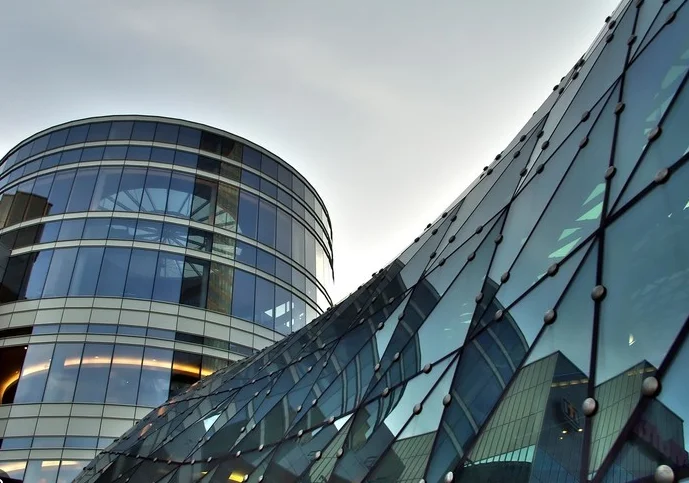
Thermoreflective coatings for large buildings, designed to reduce unwanted heat gain and loss, with potential to lower heating and cooling demand.
- Logistics and production halls
- Shopping centres
- Large greenhouses
INSIDE THE LAB
The principle meets a physical demonstrator
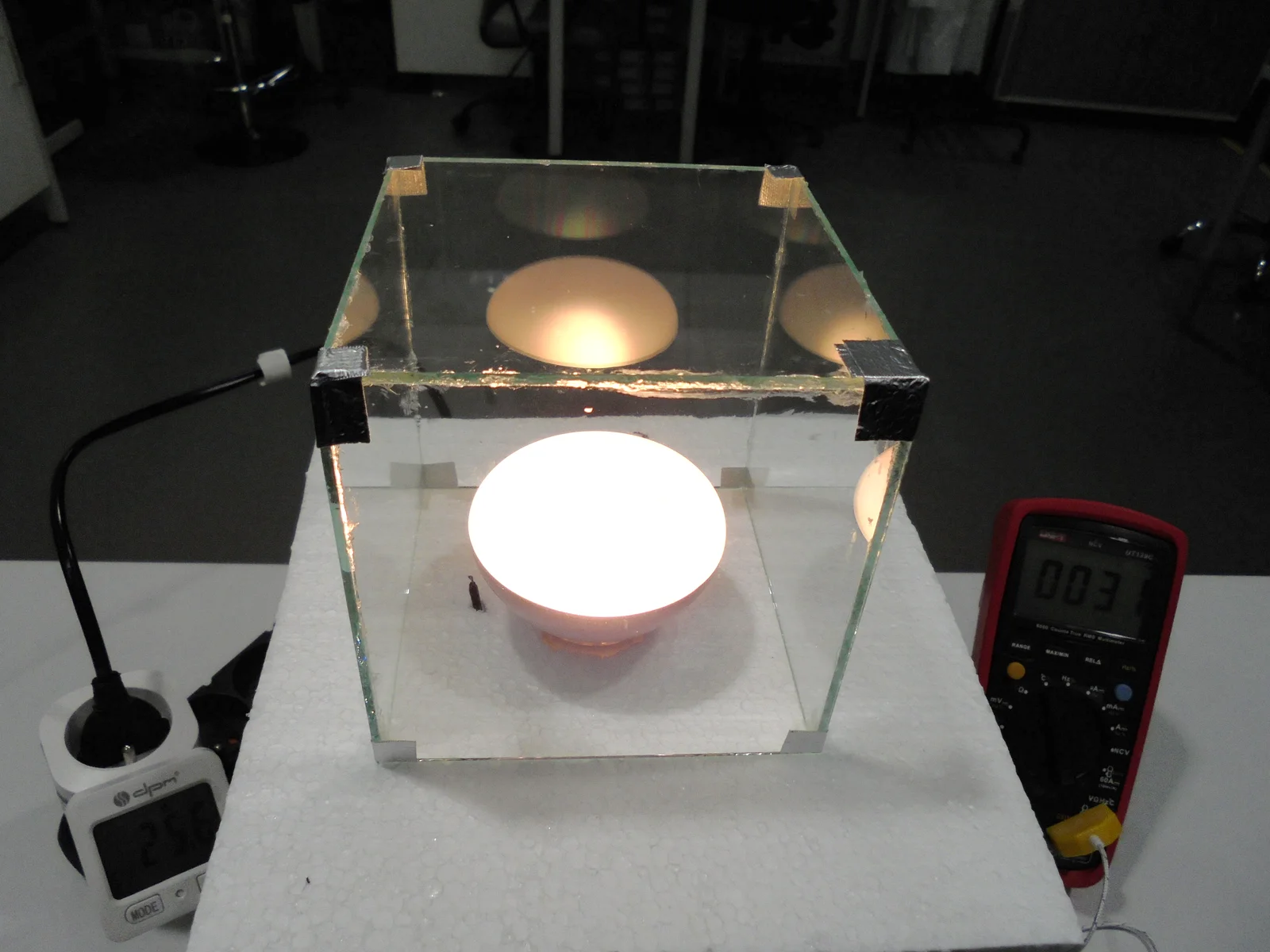
A glass enclosure, a heat source and temperature measurement make the effect of a coating observable. The supplied presentation describes two experimental approaches.
Observe the temperature rise.
The demonstrator was heated from 22 °C to 35 °C. Time and supplied power were measured to compare the energy used by coated and uncoated configurations.
Laboratory-scale setup. These test conditions do not establish energy savings in a full-size building.
DEVELOP WITH SDS OPTIC
What could your surface do?
Tell us about your material, operating environment and intended application. Let’s discuss the next development step.